

Home maintenance does not begin when plaster falls off, a pipe bursts or a large stain appears on the ceiling. It begins with small signs: a gutter spilling water next to the foundation, a crack that is getting longer, a persistent damp smell, an electrical outlet that heats up, or a boiler that increasingly needs its pressure topped up. Each may have an ordinary explanation, but ignoring a relevant sign can turn a minor intervention into a complex repair.
This InfoBuz ORIGINALS guide brings together 25 preventive home checks, with indicative frequencies, warning signs, the limits of work a homeowner can carry out and priorities. It is not a remote technical assessment and does not promise fixed savings: a visual inspection cannot prove that the structure, gas system or electrical installation is safe. Use authorised specialists for work involving risk.
Home maintenance: what can deteriorate without you noticing
Deterioration can begin outside and reach the interior. Water collecting at the base of a wall can dampen the masonry, a faulty connection can wet thermal insulation, and persistent condensation can encourage mould. Other problems cannot be seen at all without measurements: a faulty electrical connection, a gas leak or radon in the air. Visual checks should therefore be combined with records, measurements and professional inspections when needed.
A risk traffic light: what to repair now and what to monitor
| Priority | Examples | Action |
|---|---|---|
| URGENT — safety | Gas smell, smoke, sparks, an overheating conductor, an unstable structural element, water near the electrical consumer unit | Move away from the hazardous area, do not handle the installation; request emergency assistance |
| HIGH — prompt assessment | A crack that is widening, active water ingress, a damaged roof, a continuous leak | Document it without taking risks and arrange a specialist assessment |
| PLANNED — maintenance | Leaf-filled gutters, worn seals, deteriorated silicone sealant, dirty filters | Carry out preventive work appropriate to your competence and the manual |
| MONITORING | An old dry stain, a documented stable crack, small humidity variations | Take comparable photographs, keep a log and reassess if changes occur |
There is no universal threshold in millimetres that alone determines whether a crack is safe. Its location, development, geometry, construction type and other symptoms all matter. For a detailed diagnosis, see the InfoBuz guide to cracks, foundations and structures.
The 25 preventive checks, from roof to utilities
1. Roof tiles, sheet metal and joints
What to check: After storms and at least seasonally, inspect the roof from the ground, using binoculars if necessary. Look for displaced or missing elements, rust, deformation and suspicious joints. Do not climb onto the roof for an improvised inspection.
Why it matters: A leaking roof can affect timber, thermal insulation and finishes before a stain appears indoors. When to call a specialist: An authorised roofer or specialist company for work at height.
2. Gutters and downpipes
What to check: At the end of autumn and after storms, check from the ground whether water is flowing properly and whether there is overflow, detached joints or accumulated leaves. Cleaning at height requires protection and competent personnel.
Why it matters: Overflowing water can reach the façade and the area around the foundation. When to call a specialist: A maintenance company if access is not safe.
3. Water flow at the base of the house
What to check: During ordinary rainfall, watch from a safe place to see whether water collects near the plinth, in internal courtyards or at the basement entrance. Do not excavate near the foundation without a design or assessment.
Why it matters: Repeated pooling can encourage water ingress and deterioration of finishes. When to call a specialist: A drainage and waterproofing specialist for remedial work.
4. The plinth, waterproofing and efflorescence
What to check: Look for flaking, persistent stains, white salt deposits, detached plaster and a damp smell at floor level. A stain alone does not establish the cause.
Why it matters: Moisture can come from rain, plumbing, condensation or groundwater. When to call a specialist: A specialist to identify the source before refinishing.
5. Cracks in foundations and load-bearing walls
What to check: Photograph cracks with a scale reference and note the date. Monitor whether they widen, appear on both sides, or are associated with sticking doors and distortion.
Why it matters: Their development and context may indicate a need for a structural assessment. When to call a specialist: A structural engineer or certified technical expert, rather than simply concealing the crack.
6. Balconies, terraces and railings
What to check: Visually check for detachment, rust, water ingress, open joints and obvious movement. Do not load or use a suspect railing.
Why it matters: Elements exposed to water and frost may create fall hazards. When to call a specialist: A specialist in fixings, waterproofing and structures.
7. Seals around windows and external doors
What to check: Look for torn gaskets, detached silicone sealant, water marks on the sill and draughts. Check window-frame drainage openings in line with the manufacturer’s instructions.
Why it matters: A failed seal can lead to concealed water ingress into the wall. When to call a specialist: A window and door installer for sealing and complex adjustments.
8. The façade and thermal insulation
What to check: Look for bulging areas, cracks, detachment, impact damage or water marks below sills. Do not puncture thermal insulation to investigate without a plan.
Why it matters: Water entering the system can reduce performance and damage finishes. When to call a specialist: A façade specialist for an assessment.
9. The attic and loft conversion
What to check: From safe access, look for stains on timber, damp smells, condensation, wet insulation and light entering through unexpected areas. Do not step on non-load-bearing ceilings.
Why it matters: Roof problems are sometimes first visible from the attic. When to call a specialist: A roofer or building specialist.
10. Basements, plant rooms and inspection chambers
What to check: Check for smells, standing water, corrosion, pumps that do not start and new signs of damp. Do not enter a flooded space or one with a suspicious atmosphere.
Why it matters: Basements can conceal water ingress, electrical hazards or gases. When to call a specialist: A plumbing company and, where necessary, a structural assessment.
11. Traps, connections and flexible hoses
What to check: Look under sinks, around the washing machine and at the toilet cistern for drips, stains, rust and swollen hoses. Do not force pressurised connections.
Why it matters: A small leak can keep cabinetry and floor structures damp for a long time. When to call a specialist: A plumber for replacements and testing.
12. Shut-off valves and the water meter
What to check: Locate the main shut-off valve and visually check that it is accessible and not leaking. If you do not know how it works, ask a plumber to demonstrate. Note unusual consumption when water is not being used.
Why it matters: A seized valve delays damage control in the event of a failure. When to call a specialist: A plumber or utility operator, depending on the location of the installation.
13. Drainage from terraces, balconies and the yard
What to check: Look for blocked grates and water that repeatedly remains standing. Clean only accessible, safe components; do not alter slopes or drainage outlets without an assessment.
Why it matters: Standing water promotes water ingress, frost damage and deterioration of the protective layer. When to call a specialist: A waterproofing or drainage specialist.
14. Electrical installation: outlets, switches and the consumer unit
What to check: Watch for signs of overheating, burning smells, noises, repeated tripping and loose outlets. Do not open the consumer unit or test live conductors.
Why it matters: An electrical fault can cause fire or electrocution. When to call a specialist: An authorised electrician; treat smoke or obvious overheating as an emergency.
15. Residual-current devices and earthing
What to check: Check the documentation and whether professional tests have been carried out. Use the TEST button on a residual-current device only in accordance with the manufacturer’s instructions and in safe conditions; it does not replace measurement of the installation.
Why it matters: The appearance of a consumer unit does not prove that protective devices and earthing are working correctly. When to call a specialist: An authorised electrician for measurements and checks.
16. Gas installation and connections
What to check: Observe only externally visible condition and check service records. If you smell gas, do not operate switches, do not use a flame and leave the area.
Why it matters: Gas leaks pose a fire or explosion risk. When to call a specialist: An economic operator authorised by ANRE; seek emergency help if a leak is suspected.
17. Boiler, water heater and flue-gas discharge
What to check: Monitor alarms, pressure loss, leaks, corrosion and new noises. Do not open the combustion chamber or safety components.
Why it matters: Faults may involve water, combustion gases and unsafe operation. When to call a specialist: A company authorised for the type of equipment and applicable obligations.
18. Chimney, stove and fireplace
What to check: Look for visible deposits, smoke marks, cracks and abnormal draught, without intervening in the chimney. Arrange cleaning and an inspection before the season.
Why it matters: Deposits and faulty flue discharge increase the risk of fire and poisoning. When to call a specialist: A chimney sweep or competent specialist.
19. Smoke, carbon monoxide and gas detectors
What to check: Identify the types you have, check their replacement date and test them according to the manual. A smoke detector does not replace a carbon monoxide or gas detector.
Why it matters: Different alarms detect different hazards and may have a limited service life. When to call a specialist: An authorised installer for gas systems with a solenoid valve; the user for tests permitted by the manual.
20. Ventilation, filters and extract grilles
What to check: Check filters, blocked grilles, fans and condensation. Clean only components intended for the user. Do not block combustion air inlets.
Why it matters: Insufficient extraction can increase humidity and encourage mould. When to call a specialist: An HVAC specialist for airflow and balancing.
21. Indoor humidity and mould marks
What to check: Use a hygrometer as a rough indicator and track new stains, smells and condensation. The EPA generally recommends humidity below 60%, ideally around 30–50%, where comfortable and feasible.
Why it matters: Mould returns if the water source remains active. When to call a specialist: A specialist if the problem persists, is widespread or vulnerable people are present.
22. Thermal bridges and heat loss
What to check: Look for cold corners, draughts and temperature differences. A thermal camera can help only in suitable conditions; it does not by itself prove water ingress.
Why it matters: Uncontrolled air sealing can reduce ventilation, while insulating without addressing moisture can worsen the problem. When to call a specialist: An energy assessor or building-envelope specialist.
23. Doors, windows and changes in alignment
What to check: Note whether rubbing, uneven gaps or doors that no longer close appear suddenly, particularly alongside new cracks.
Why it matters: This may be a minor adjustment issue or a sign of building movement. When to call a specialist: A joiner for adjustments; a structural engineer if structural indicators are also present.
24. Radon and other invisible risks
What to check: Do not try to estimate radon from its smell or appearance. It must be checked through measurement under the applicable methodology, not simply by consulting a map.
Why it matters: Radon is invisible; risk depends on the concentration measured inside the home. When to call a specialist: A competent provider or laboratory under the Romanian framework.
25. House records, works and insurance policies
What to check: Keep the building’s technical record book, available designs, official reports, warranties, inspection reports and dated photographs. Check the validity and cover of policies annually.
Why it matters: Without records, it may be harder to establish how defects have developed and the history of work. When to call a specialist: The building administrator, designer or expert, depending on the missing document.
Maintenance calendar: monthly, seasonal and annual
| When | What to check | Note |
|---|---|---|
| Monthly / whenever you notice changes | Leaks at connections, smells, condensation, alarms, unusual water use | Visual inspection only, with no hazardous dismantling |
| After heavy rain or storms | Roof from the ground, gutters, plinth, basement, water ingress | Do not climb onto the roof; do not enter hazardous water |
| Spring | Façade, terraces, drainage, frost damage, balconies | Plan repairs before the next period of rain |
| Autumn | Gutters, roof, heating, chimney, detectors, windows | Professional inspections must follow statutory deadlines and manuals |
| Annually | Crack log, records, policies, maintenance budget | These frequencies do not replace mandatory inspections |
| At statutory or manufacturer-set intervals | Gas, boiler, safety systems and equipment | Confirm the specific deadlines with the authorised operator |
What homeowners are required to do in Romania: maintenance versus mandatory inspections
Law No. 10/1995 on quality in construction establishes owners’ obligations concerning the maintenance and repair of buildings, monitoring their behaviour in service and retaining documentation. Government Decision No. 766/1997 regulates the construction quality system, including monitoring in-service behaviour. The specific form of monitoring differs according to the building category, design and applicable rules. A list of visual checks is not a substitute for a technical assessment.
For natural-gas consumer installations, the periodic technical inspection is generally required at intervals of no more than two years, and the periodic technical overhaul at intervals of no more than 10 years, with additional situations set out in regulations. The work is carried out by operators authorised by ANRE, Romania’s National Energy Regulatory Authority. Checks of a boiler or other equipment may have separate deadlines and procedures under ISCIR technical rules and manufacturers’ manuals. Do not confuse inspection of the gas installation with the boiler’s technical inspection.
For fire prevention, guidance from IGSU, Romania’s General Inspectorate for Emergency Situations, on chimneys, stove use and electrical installations is relevant. Smoke, carbon monoxide and gas detectors serve different functions; see the InfoBuz guide to detectors and their placement.
What you can do yourself — and what you should not do
| You can do this, in safe conditions | Do not improvise |
|---|---|
| Take comparable photographs of cracks | Break into load-bearing walls to inspect reinforcement |
| Observe gutters from the ground | Climb onto a roof without protection and competence |
| Read the water meter and inspect visible leaks | Work on gas installations or live electrical systems |
| Clean accessible filters in line with the manual | Open the combustion chamber or disable protective devices |
| Test detectors according to instructions | Block alarms or solenoid valves |
| Keep a maintenance log and request quotes | Conceal water ingress before identifying its cause |
Three scenarios: how a small problem can become a large one
Scenario A: a gutter discharging water near the foundation
After several rains, the homeowner notices a damp streak on the plinth. Proper cleaning or repair of the drainage may solve the cause if the problem is strictly there. If dampness persists, the waterproofing, drainage and any plumbing should be investigated. A photograph alone cannot establish that the foundation is compromised.
Scenario B: a crack that returns after every repainting
A hairline crack in a finish may be harmless, but recurrence, widening or an association with sticking doors warrants an assessment. Repeated filling without a diagnosis can conceal its development. Dated documentation with a reference marker helps a specialist compare conditions.
Scenario C: condensation mistaken for water ingress
A damp corner in winter may result from a thermal bridge and high indoor humidity, but a similar stain can also be caused by a faulty pipe. Instruments and observation of conditions are needed before insulation or painting. For an in-depth diagnosis, read the InfoBuz analysis of mould in new homes.
Maintenance budget: what to set aside without false promises
There is no universal percentage of a home’s value that will cover every repair. A new apartment and an older house with a roof, basement and yard have different risk profiles. Rather than using an arbitrary percentage, it is more useful to inventory systems, their age, inspection costs, likely works and a separate emergency fund.
- List the items that need professional inspection and the date of the last intervention.
- Request separate quotes for diagnosis, repair and finishing; do not compare quotes for different work.
- Prioritise safety, stopping water ingress and preventing structural deterioration over cosmetic renovation.
- Keep a reserve for unforeseen events; its value depends on the home and your financial situation.
- Do not treat compulsory PAD insurance or optional insurance as a substitute for maintenance; exclusions and normal wear may matter.
The InfoBuz check: a checklist for every room
| Area | Simple indicator | What to do if you notice a change |
|---|---|---|
| Kitchen | Marks below the sink, smells, a hot outlet | Stop using the suspect equipment; call a plumber or electrician |
| Bathroom | Open joints, leaks, mould | Identify the source; repair the sealing and ventilation |
| Bedroom | Condensation, stains in corners, stale air | Measure humidity as a guide and investigate the cause |
| Living room | New cracks, windows difficult to close | Document and monitor; call a structural engineer if related signs appear |
| Attic | Damp timber, stains after rain | Check the roof without hazardous access |
| Basement | Standing water, smells, salts on walls | Investigate the source and the safety of the space |
| Exterior | Gutters, plinth, façade cracks | Maintenance work or an assessment |
Maintenance log: a practical template
Create a record with seven columns: date, area, symptom, photograph, estimated risk, specialist/contact, result and next check. Fictional example: “18 November 2026 — north bedroom corner — damp stain after rain — photos 01–03 — assessment needed — plumber/contacted — next observation after intervention.”
Keep original photographs and specialists’ reports, especially where you have structural alterations or installations. The documents may also help in dealings with an insurer, but do not guarantee that an event will be covered. If a home has already been affected by water, consult the InfoBuz guide to the first 24 hours after flooding.
Frequently asked questions about home maintenance
How often should a roof be checked?
As a practical routine, inspect it from the ground seasonally and after storms. The frequency of professional work depends on the material, age, exposure and manufacturer recommendations. It is not safe to climb onto a roof for a simple check.
Is a 1–2 mm crack safe?
That cannot be determined from its width alone. Location, direction, development, structure and associated symptoms matter. If it is widening or appears in a load-bearing element, request an assessment.
How often is a gas installation inspected?
Under the usual regime for natural-gas consumer installations, the technical inspection is required at intervals of no more than two years and the overhaul at intervals of no more than 10 years, with additional situations set out in regulations. Confirm the deadlines and the ANRE-authorised contractor.
If I have a smoke detector, do I still need a carbon monoxide detector?
They are different devices. A detector designed solely for smoke does not automatically detect CO. The need for and placement of detectors depend on the home’s equipment and risks, as well as applicable requirements.
Does a room hygrometer prove that there is no mould?
No. It indicates air humidity at the location and time of measurement. Cold surfaces or locally damp materials may exist even if the room average appears reasonable.
Can I paint over a damp stain?
It is not a lasting remedy if the water source has not been identified and eliminated. Check that the material is dry and establish the cause before restoring the finish.
Is the building’s technical record book important for an old house too?
Yes. Available documentation and the history of work can help monitor the building’s condition and plan works. If records are missing, discuss possible reconstruction, as applicable, with a specialist or the competent authority.
Can a thermal camera show every water leak?
No. Thermography shows surface-temperature differences, which may have several causes. Interpretation should be correlated with weather, materials, humidity measurements and inspection.
When should a specialist be called urgently?
For a gas smell, smoke, electrical risk, structural deformation, detachment posing a fall hazard, or active water ingress threatening installations. Evacuate if necessary and use emergency services where there is an immediate danger.
Prevention is not about repairing everything, but noticing correctly
Home maintenance is a repeated process of observation, documentation and intervention proportionate to the risk. A homeowner does not need to become an electrician, structural engineer or gas installer. They need to recognise signs worth investigating, keep records and call the competent person before a problem worsens.
Start with three simple steps: photograph the exterior after rain, visually inspect accessible connections and update the list of professional inspections. Then work through the 25 points on a realistic schedule adapted to the age and type of home.
Official and reference sources
- Law No. 10/1995 — Legislative Portal: owners’ obligations regarding quality, maintenance and monitoring of building behaviour.
- Government Decision No. 766/1997 — Legislative Portal: the construction quality system and monitoring in-service behaviour.
- ANRE: inspection and overhaul of natural-gas consumer installations; authorised operators.
- ISCIR: technical rules and inspections for regulated equipment.
- IGSU: fire prevention and safe use of heating installations.
- EPA — Mold and Your Home: humidity, water sources and mould prevention.
- U.S. Department of Energy — Air Sealing Your Home: air sealing and reducing air loss without compromising ventilation.
- EPA — Radon: radon and the need for home measurement.
- InfoBuz — Cracks in the home, Mould in a new home, Energy loss in the home, Preparing a home for winter — complementary articles, without repeating their full analyses.
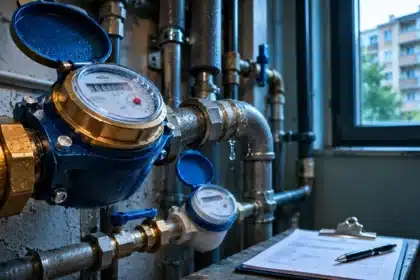
Editorial note: 18 November 2026. The frequencies in the calendar are indicative organisational recommendations, not general statutory deadlines. Regulated installations are subject to their specific deadlines and procedures. No savings or repair costs are presented as guaranteed values. The lead image is AI-generated and illustrates a fictional situation.






Discuția cititorilor
Ai o opinie sau o întrebare despre acest articol? Spune-ne ce crezi.
Fii primul care deschide discuția.
Te rugăm să păstrezi un limbaj civilizat și să discuți la subiect. Comentariile spam sunt filtrate automat.