
Updated: 10 February 2026 la 15:33. Articolul a fost revizuit pentru a reflecta informațiile disponibile la această dată.
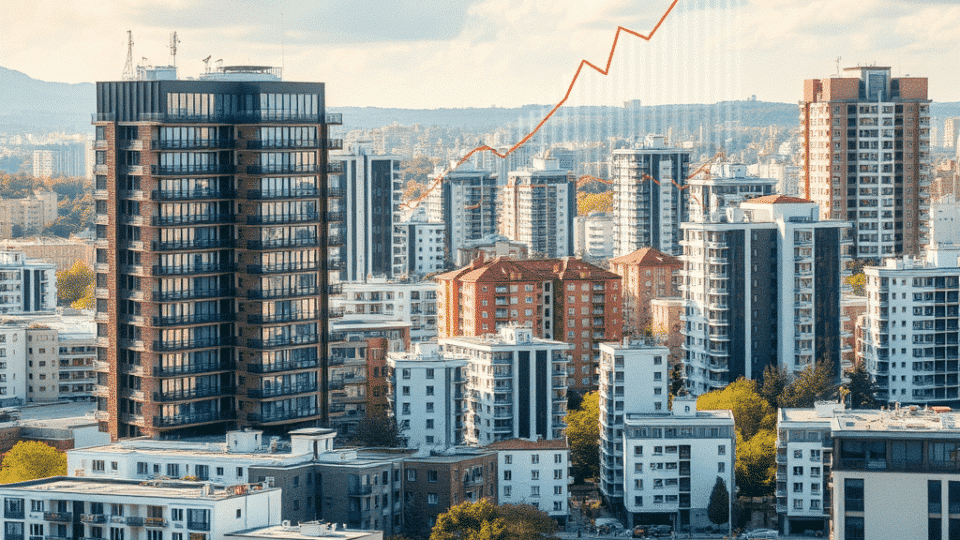
Romania is going through a complex economic period in which the housing market, borrowing costs and the real cost of living are more interconnected than ever. A decade ago, access to housing was determined primarily by the required down payment and job stability; today, the situation is far more complex.
In 2026, Romanians are assessing financial decisions from a new perspective: not only whether they can obtain a loan, but whether they can afford their lifestyle after making the monthly payment. This shift in mindset is directly influencing the housing market.
The evolution of Romania’s housing market in recent years
The 2020–2022 period was marked by rapid increases in property prices. Low interest rates, government programmes and strong demand generated a property boom.
For more information on apartments, see also Mortgage or rent in 2026: which option may be more advantageous, which provides complementary details on this subject.
After 2023, the situation stabilised. Rising interest rates and inflation reduced purchasing power, and the market entered a phase of slow growth.
The main factors keeping prices high
- High construction-material costs
- Limited land availability in desirable urban areas
- Rising energy costs
- Steady demand for modern homes
Mortgages: the real engine of the housing market
Most property transactions in Romania are financed through mortgages. The affordability of loans directly affects the level of demand.
What affects the monthly payment
- The bank interest rate
- The IRCC index
- The loan term
- The down payment made
- The applicant’s income
An apparently small increase in the interest rate can have a major impact. For example, on a 30-year loan, the difference between a 5% and a 7% interest rate can mean tens of thousands of euros more paid to the bank.
Cost of living: the factor that determines whether people still buy homes
The cost of living includes all of a family’s day-to-day expenses. In Romania, the main components are:
- Food
- Utilities
- Transport
- Education and healthcare
- Taxes
Rising living costs directly reduce people’s ability to save for a down payment or sustain high monthly payments.
The direct link between the housing market and bank interest rates
When interest rates are low
- Demand for loans increases
- Demand for homes increases
- Prices rise
When interest rates are high
- Demand for loans falls
- The housing market stabilises
- Greater price negotiations emerge
The impact of inflation on the housing market
Inflation affects the housing market in two ways:
- It increases construction costs
- It reduces the population’s purchasing power
This dual effect keeps prices high but reduces the number of eligible buyers.
Why energy-efficient homes are becoming the market standard
Amid high energy costs, energy-efficient homes are increasingly sought after.
Modern building standards reduce monthly costs and increase a property’s long-term value.
Romania’s housing market outlook for 2026–2030
The optimistic scenario
- Stable or falling interest rates
- Steady economic growth
- Consistent demand for homes
The moderate scenario (the most likely)
- Slow price increases
- Moderate interest rates
- A stable market
The pessimistic scenario
- A sharp rise in interest rates
- An economic recession
- A temporary fall in prices
Is 2026 a good time to buy a home?
The decision depends on each individual’s financial situation. For people with stable incomes and a substantial down payment, the period may be favourable because of the market’s stabilisation.
For those with unstable incomes, the main risk remains the total long-term cost of the loan.
What every buyer should assess before taking out a loan
- Income stability
- Emergency savings
- The evolution of interest rates
- The real costs of the home
The housing market, loans and the cost of living form an interdependent economic system. In 2026, the balance between these three elements determines Romanians’ real access to housing.
In the future, financial stability and energy efficiency will become the main factors in choosing a home.








Discuția cititorilor
Ai o opinie sau o întrebare despre acest articol? Spune-ne ce crezi.
Fii primul care deschide discuția.
Te rugăm să păstrezi un limbaj civilizat și să discuți la subiect. Comentariile spam sunt filtrate automat.