
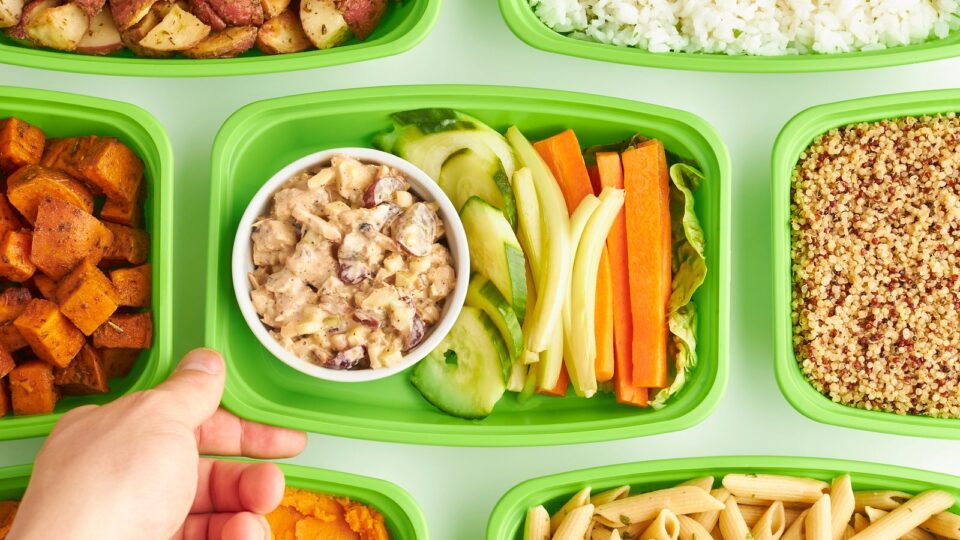
A perfectly organised fridge is about more than keeping things tidy. It means maintaining the right temperature, separating raw food from ready-to-eat items, and using shelves according to how cold each area is. A well-organised fridge reduces the risk of contamination, extends storage life and can help cut food waste.
The basic rule is simple: the fridge should operate at 4°C or below, and the freezer at around -18°C. The FDA recommends checking the temperature regularly with a separate thermometer, rather than relying solely on the appliance’s displayed setting.
The perfectly organised fridge: using each zone
The temperature is not the same everywhere. In many fridges, the coldest area is at the bottom, above the drawers, while the door is among the warmest areas because it is opened repeatedly.
An effective layout therefore looks broadly like this:
- top shelves: ready-to-eat food, yoghurt, cheese and cooked leftovers;
- middle shelves: dairy products, opened foods and cold cuts;
- bottom shelf: raw meat and fish, in sealed containers;
- drawers: vegetables and fruit, ideally kept separately;
- door: sauces, drinks and products less sensitive to temperature fluctuations.
1. Top shelf: ready-to-eat food
The upper shelves suit foods that do not need the coldest part of the fridge and should not be exposed to drips from raw meat.
They can hold:
- yoghurt;
- packaged cheese;
- cooked leftovers;
- desserts;
- prepared foods;
- opened products that need to be eaten soon.
Leftovers should be placed in covered containers and refrigerated within no more than two hours of cooking or purchase.
2. Bottom shelf: for raw meat and fish
Raw meat, fish and seafood should be kept on the bottom shelf, in tightly sealed containers or bags.
The reason is not just temperature. If packaging leaks, the liquid must not reach ready-to-eat food.
In the same context, see also Ultra-processed foods under scrutiny: how to identify them and what studies say about health, which provides further relevant information.
Approximate storage times at 4°C or below:
- raw minced meat: around 1–2 days;
- raw chicken or turkey: around 1–2 days;
- fresh fish: around 1–3 days;
- whole cuts of beef, pork or lamb: generally 3–5 days.
3. Eggs: not in the door
Although many fridges have an egg holder in the door, the most stable place for eggs is on an interior shelf, in their original carton.
The door is exposed to temperature changes every time the fridge is opened.
Raw eggs in their shells can generally be kept in the fridge for around 3–5 weeks. Hard-boiled eggs keep for around one week.
4. Milk: better on a shelf than in the door
Milk is sensitive to temperature fluctuations. For safer storage, it is better kept in the middle or lower part of the fridge, rather than in the door.
The same principle applies to sour cream and other highly perishable dairy products.
Follow the use-by date and the instructions on the packaging, as the storage time after opening varies between products.
5. Cheese
Hard cheeses keep longer than soft cheeses. Once opened, keep them in clean wrapping, cheese paper or a container that limits drying out.
Soft and fresh cheeses should be eaten sooner and kept consistently chilled.
For people at increased risk of Listeria infection, the FDA recommends extra caution with unpasteurised cheeses and certain soft varieties.
6. Cold cuts and ready-to-eat meat
Sliced cold cuts and ready-to-eat products should be eaten relatively soon after opening.
FoodSafety.gov gives the following approximate times:
- sliced cold cuts or an opened package: 3–5 days;
- an unopened package: up to around 2 weeks, if the label permits;
- opened hot dogs: around one week.
The longer they are stored, the greater the risk of bacterial growth, including Listeria.
7. Cooked leftovers: the 3–4 day rule
One of the most useful rules is that most cooked leftovers should be eaten within around 3–4 days if stored properly in the fridge.
This includes:
- cooked meat;
- stews;
- soups;
- pizza;
- cooked pasta and rice;
- egg dishes.
To cool food quickly, divide large portions into smaller, shallower containers.
InfoBuz has separately explained when reheated food can become dangerous and how to store rice, pasta and meat correctly.
8. Vegetables: in the drawer, but not all alike
Leafy vegetables, carrots, broccoli and other produce that loses water quickly benefit from higher humidity.
Many fridges have humidity-controlled drawers. A higher-humidity drawer is suitable for vegetables that wilt easily.
Do not wash all vegetables before storage unless you plan to eat them straight away. Excess moisture can speed up spoilage.
9. Fruit: keep it separate from some vegetables
Apples, pears and certain other fruits produce ethylene, a gas that speeds ripening.
When kept beside sensitive vegetables such as lettuce or broccoli, they can cause them to spoil more quickly.
Ideally, use separate drawers for fruit and vegetables when the fridge allows it.
10. Tomatoes, potatoes and onions do not necessarily belong in the fridge
Some foods keep better in a pantry.
- potatoes: in a dark, cool, ventilated place;
- onions: somewhere dry and ventilated;
- tomatoes: at room temperature until ripe, for better flavour and texture.
Once cut, however, these products should be refrigerated.
11. Bread
The fridge can slow mould growth but speeds up the staling of bread’s texture.
For a few days, bread can be kept at room temperature in suitable packaging. For longer storage, freezing is usually better than refrigeration.
12. The fridge door: only for stable products
The door is not ideal for highly perishable products.
Suitable items include:
- ketchup;
- mustard;
- sauces;
- drinks;
- pickles;
- butter, if it will be used quickly and the manufacturer permits it.
Milk, eggs and meat are not ideal choices for the door.
13. Do not overfill the fridge
The FDA recommends avoiding overcrowding. Cold air needs to circulate around the food.
A fridge completely blocked by containers may have areas where the temperature is higher than the appliance’s setting.
Leave space between products and do not place large containers directly against the ventilation openings.
14. Use the FIFO rule
FIFO means “first in, first out”: what you bought earlier should be placed at the front and used first.
Put new products at the back and older ones at the front. It is one of the simplest ways to reduce food waste.
15. Label leftovers
It is useful to write the date on containers when you cooked the food or opened the product.
After three days, memory is not a particularly precise food-safety system.
Masking tape and a marker are enough.
16. How long common foods keep
| Food | Fridge | Freezer |
|---|---|---|
| Raw chicken | 1–2 days | up to 9 months for pieces / 1 year whole |
| Minced meat | 1–2 days | 3–4 months |
| Cooked meat | 3–4 days | 2–6 months |
| Fresh fish | 1–3 days | varies by species |
| Raw eggs in shells | 3–5 weeks | not in their shells |
| Hard-boiled eggs | 1 week | not recommended |
| Soups and stews | 3–4 days | 2–3 months |
| Pizza | 3–4 days | 1–2 months |
Freezer times are chiefly quality guidelines, provided food remains consistently at -18°C or colder.
17. Do not thaw food on the counter
The FDA recommends three safe methods:
- in the fridge;
- in cold water, changing the water regularly;
- in a microwave, followed by immediate cooking.
Thawing at room temperature can leave the outside of food in a temperature range that favours bacterial growth while the inside is still frozen.
18. What to do in a power cut
If the door remains closed, a fridge can keep food cold for around 4 hours.
A full freezer can retain its temperature for around 48 hours, and a half-full freezer for around 24 hours, provided the door is not opened unnecessarily.
Perishable foods that have been above 4°C for around four hours or more should be assessed carefully and, in many cases, thrown away.
19. Smell is not a safety test
Food can contain dangerous microorganisms without smelling bad.
Do not taste it to “check”. If you do not know how long it has been at an unsuitable temperature, or it is beyond the recommended storage times, disposal is the safer option.
20. Clean the fridge regularly
Leaks from raw meat should be wiped up immediately to prevent cross-contamination.
Periodically:
- remove expired products;
- wash the drawers;
- clean the seals;
- check the temperature;
- wipe down the shelves;
- check for food forgotten at the back.
A simple organisational model
Top shelf: yoghurt, cheese, leftovers, desserts.
Middle shelf: milk, cold cuts, opened products.
Bottom shelf: raw meat and fish in separate containers.
Drawer 1: vegetables.
Drawer 2: fruit.
Door: sauces, drinks, pickles.
Conclusion
A perfectly organised fridge is, above all, a safe fridge. The temperature should be no more than 4°C, raw food should be kept separate from ready-to-eat items, and leftovers should generally be eaten within 3–4 days.
Good organisation can also save money. When you can see what you have, use food in the right order and reduce the amount thrown away.
Frequently asked questions
What is the correct temperature for a fridge?
4°C or below. For the freezer, around -18°C.
Where should raw meat go?
On the bottom shelf, in a sealed container, to avoid contaminating other food.
Should eggs be kept in the door?
They are better kept on an interior shelf, in their original carton, where the temperature is more stable.
How long does cooked food keep?
Most cooked leftovers keep for around 3–4 days at 4°C or below.
How long is food safe in a fridge without power?
Around four hours if the door remains closed.
Sources: FDA – Are You Storing Food Safely?; FDA – Refrigerator Thermometers; FoodSafety.gov – Cold Food Storage Chart. The storage times are approximate and assume a constant temperature of no more than 4°C.






Discuția cititorilor
Ai o opinie sau o întrebare despre acest articol? Spune-ne ce crezi.
Fii primul care deschide discuția.
Te rugăm să păstrezi un limbaj civilizat și să discuți la subiect. Comentariile spam sunt filtrate automat.