
Updated: 15 October 2026 la 18:57. Articolul a fost revizuit pentru a reflecta informațiile disponibile la această dată.
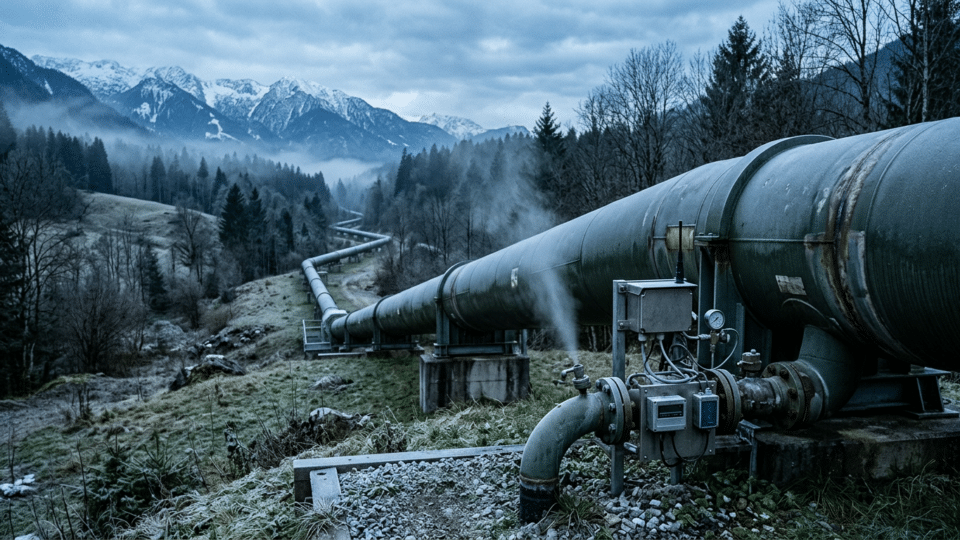
A pipeline can lose a small quantity of gas without the leak being visible. A compressor station may report emissions using a methodology different from that used by another company. When data are not collected in a comparable way, it is difficult to identify where the largest problems lie and whether technical measures are actually reducing losses.
On 12 October 2026, the European Commission published a draft implementing regulation on common templates for reporting methane emissions from the energy sector. The public consultation is open until 6 November 2026.
For more on the European Commission, see also Europe enters winter 2026–2027 with gas storage below usual levels. Why the Commission says the system can withstand it, which provides additional context on the subject.
This is a draft under consultation, not a measure that has already been adopted in its final form.
Why methane is more than a climate issue
Methane is the main component of natural gas and a potent greenhouse gas. When it escapes from facilities, it represents both a climate impact and a loss of an energy product.
In practice, the industry has economic and operational reasons to detect leaks: they may point to problems with seals, equipment, pipelines or procedures. Not every emission represents the same kind of incident, however; the source, quantity, duration and operating conditions all matter.
Uniform reporting could make it easier to distinguish persistent sources from isolated events.
What already exists in EU legislation
Regulation (EU) 2024/1787 sets the framework for measuring, quantifying, monitoring, reporting and verifying methane emissions in the energy sector. Obligations arising from that legislation are distinct from the technical template now proposed.
The October initiative does not start from scratch. It seeks to set out how data should be submitted, in order to prevent differences in reporting formats or levels of detail between operators and member states.
The Commission says the draft also takes account of the Oil and Gas Methane Partnership 2.0 (OGMP 2.0) methodology, which is used to improve reporting quality in the oil and gas sector.
What the Commission wants to standardise
The proposal introduces reporting templates linked to the relevant provisions of the European regulation. Its stated aim is a common, consistent and secure system capable of bringing information together in a methane transparency database.
For operators, a standard structure could reduce time spent converting the same measurements into different forms. For authorities, it could make comparisons and checks on changes over time easier.
Standardising templates does not, however, automatically guarantee accurate data. Quality will still depend on measurement methods, instrument calibration and scrutiny of the reporting.
What it means for energy companies
Companies with methane-related obligations need to monitor the applicable legal requirements and prepare traceable measurement records: the emission source, period, method, result and any corrective measures.
For technical operations, data should be traceable to specific reports, checks and interventions. The difference between an estimated figure and one measured directly should remain visible, rather than being concealed within a total.
It would be premature to assume that the final template will be identical to the draft under consultation. Feedback received may result in clarifications or amendments before adoption.
What the public can learn from better reporting
In a transparent system, comparable data may show whether a company is cutting its emissions, whether a particular type of facility needs further investment, and whether stated targets are supported by measurements.
For consumers, this does not automatically mean an immediate change in gas bills. Monitoring and loss-reduction measures involve costs, but the commercial effect cannot be inferred directly from a draft template.
Key dates to watch
The Commission has set 6 November 2026 as the deadline for submitting feedback. Adoption of the implementing act is planned by the end of 2026.
Until then, the accurate position is that the EU is preparing a common reporting method, not that all new templates have been compulsory since 12 October.
The central issue is a shift from declarations that are difficult to compare to verifiable technical evidence. In the energy sector, what is measured properly can also be managed better.
Reporting updated on 14 October 2026. The status of the proposal and the timetable may change after the consultation.







Discuția cititorilor
Ai o opinie sau o întrebare despre acest articol? Spune-ne ce crezi.
Fii primul care deschide discuția.
Te rugăm să păstrezi un limbaj civilizat și să discuți la subiect. Comentariile spam sunt filtrate automat.