
Romania has built sea defences and replenished beaches on a large scale, but their long-term performance depends on monitoring sediment, storms and coastal change.

Topics related to climate change and its effects.
Romania has built sea defences and replenished beaches on a large scale, but their long-term performance depends on monitoring sediment, storms and coastal change.

A global reassessment finds that 44% of reef-building coral species assessed with sufficient data face an elevated risk of extinction. That is not the same as…

Health is now difficult to avoid in national climate plans. It remains far harder to track in budgets and progress reports: a WHO review found that…

New studies point to processes beneath Antarctica’s Thwaites Glacier that could speed its retreat over generations, while underscoring substantial uncertainty over the pace of future sea-level…

The EU and more than 30 countries want the IPCC’s main scientific contributions ready for the 2028 global climate assessment. Other states argue that the timetable…
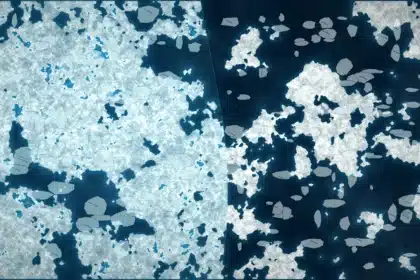
In 2026, Arctic sea ice avoided a record low after a relatively cool, stormy summer, while Antarctic sea ice fell to exceptionally low levels after a…

The white trails behind aircraft are ice-clouds known as contrails. Why do some vanish quickly while others spread and affect the climate?

Sky islands are isolated mountain ecosystems that act like biological archipelagos, offering clues to evolution, conservation and climate change.

After a century without people, nature would reclaim many abandoned spaces, but cities, infrastructure and the climate legacy of industrial society would remain visible.

Beneath Antarctica’s ice sheet lies an ancient, rugged landscape and a hidden water system that can still shift, fill and drain.

Smart meters can improve billing and demand data, but they cannot replace investment in generation, grids and consumer protection as Romania faces extreme weather.

Major wildfires have struck several European countries amid extreme heat, prolonged drought, dry vegetation and strong winds. Belgium’s High Fens blaze has affected about 3,000 hectares,…

Europe is facing an expanding hydrological crisis in summer 2026, with critically low rivers disrupting agriculture, shipping and energy production.

The Danube’s flow at Romania’s Baziaș entry point was 1,400 m³/s on 16 August 2026—around 64% below the August long-term average—with further declines forecast.

A strengthening El Niño could deepen food insecurity in vulnerable regions, with droughts, floods and extreme temperatures threatening crops, livestock and water access.