
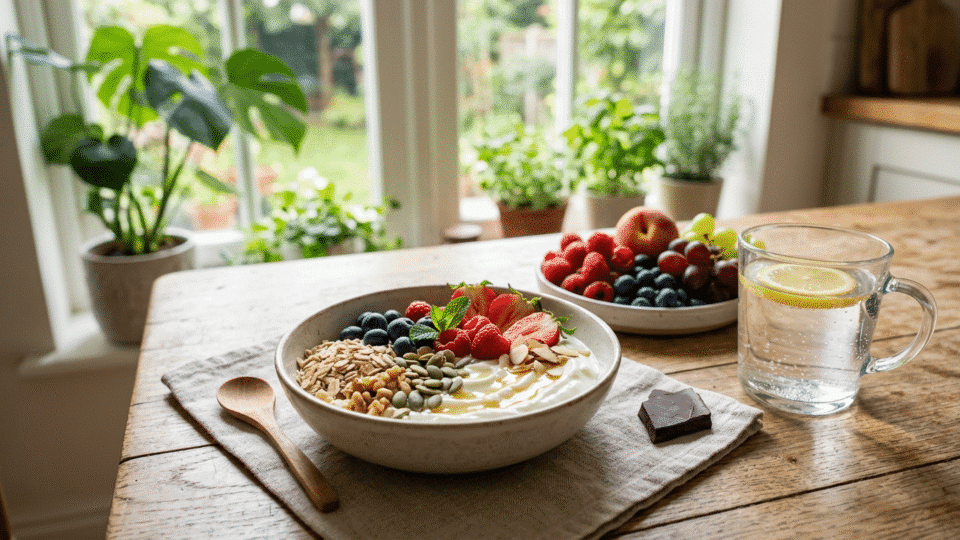
Sweet cravings when you are tired have a plausible biological and behavioural explanation: after too little sleep, sweet, calorie-dense foods may become more appealing, while your ability to choose the less convenient option declines. This is not automatic proof that your body is “asking for sugar”, nor does it in itself mean that your blood sugar is low. Often, the brain is seeking rapid energy, immediate pleasure and a break all at once.
The distinction matters because the helpful response is not always the same. If you skipped a meal, a snack containing carbohydrates, protein and fibre may be appropriate. If you ate recently but slept for five hours and are looking at vending machines, a large sweet treat may relieve discomfort for only a few minutes, rather than address its cause. And if unusual fatigue and hunger keep recurring, it is worth looking beyond your sleep schedule as well.
For more information on wellness, you can also read 5 Healthy Habits That Can Change Your Life in Less Than 30 Days, which offers complementary details on this topic.
What changes after insufficient sleep
Controlled research does not show that every person will eat exactly the same foods after a bad night. It does, however, show a pattern: sleep deprivation or restriction can increase appetite and interest in highly palatable foods, especially those high in sugar and/or fat.
In a crossover study of young adults, participants had three nights with around five hours of sleep, followed by three nights with eight hours. After the reduced-sleep period, preference for sweet taste, levels of active ghrelin— a hormone involved in feelings of hunger— and food intake were higher; the increase in intake came mainly from carbohydrates. The study is small and cannot predict each person’s reaction, but it has the advantage of comparing the same participants under both conditions.
Another experiment, using brain imaging, found that after five nights with only four hours spent in bed, images of less healthy foods activated areas associated with reward and food processing more strongly. This does not mean sweets become impossible to resist. It means that when you are tired, the usual food environment— the bakery near the office, the delivery app, the biscuit aisle— may have more pull than it does on a well-rested day.
This mechanism helps explain why the thought, “I need something sweet to function,” can feel very convincing. The sensation is real, but it does not necessarily point to the best solution for the next few hours.
Not every sweet craving means the same thing
The most useful approach is to treat a craving as a signal that needs context, rather than a verdict. Before buying something, check three simple things: when you last ate, how much you slept and whether you have other symptoms.
| Likely context | What you usually notice | Practical response |
|---|---|---|
| Many hours have passed without a meal | Physical hunger, an empty stomach, irritability, cravings for several foods rather than just chocolate | Choose a snack or small meal that combines carbohydrates, protein and fibre. |
| You slept too little or poorly | A specific craving for dessert, pastries, sweetened drinks or energy drinks; rushed decisions | Drink water, take a short break, then choose a planned portion or a more filling snack. |
| You are dehydrated, overheated or exhausted after exertion | Dry mouth, headache, mild dizziness, sweating, thirst; the craving is not always clear | Rehydrate and cool down before interpreting the feeling as a “need for sugar”. |
| Fatigue is frequent or unusual | Intense thirst, frequent urination, unexplained weight loss, palpitations, dizziness, persistent sleepiness | Do not rely on sweets as a solution; speak with a doctor to assess the causes. |
A heatwave, a long journey or a workout can intensify fatigue through fluid loss. In these situations, a sweet craving may overlap with thirst and the need to eat. The signs and steps for rehydration are explained separately in the article on dehydration during a heatwave.
Why a biscuit feels more “urgent” than a regular meal
Sweets offer a quick sensory reward: intense flavour, immediate availability and, often, an association with taking a break. When you are exhausted, the brain tends to place more value on the immediate benefit and less on the later cost— for example, hunger returning quickly after eating a very sweet product on its own.
There is an important nuance here. A dessert does not inevitably cause a dramatic “crash” in everyone, and it is not helpful to explain every sluggish feeling through blood sugar fluctuations. The response depends on the portion, what you ate beforehand, activity, sleep and individual characteristics. The practical issue is simpler: a sweetened drink or a few biscuits may provide a great deal of free sugars but generally little fibre and little satiety.
The World Health Organization recommends limiting free sugars to less than 10% of daily energy intake; for a diet of around 2,000 kcal, this threshold is equivalent to about 50 g a day. Free sugars include sugar added to foods and drinks, as well as sugars in honey, syrups and fruit juices. They are not the same as sugars naturally present in whole fruit.
The 10-minute rule: do not ban the craving—change the order of decisions
When a craving strikes at 4 pm after a bad night, the aim is not dietary perfection. The aim is not to decide solely at the moment when fatigue is at its worst.
- Pause for a minute and name the problem: hunger, sleepiness, stress, thirst or all of them at once?
- Drink water and change the context a little: get away from your desk, look at natural light for a few minutes or walk to the end of the street. This is not a treatment for lack of sleep, but it interrupts the automatic pattern of “tiredness = sweets”.
- If you are hungry, choose a sustaining combination first: plain yoghurt with fruit and nuts; a small sandwich with cheese or egg and vegetables; hummus with vegetables and a slice of bread; or a piece of fruit with a small handful of unsalted peanuts.
- If you still want dessert, portion it out: buy or place in a bowl the portion you want to eat; do not eat straight from the packet. After a real snack, it is easier to consciously choose how much you want.
- Do not compensate with aggressive fasting the next day: very severe restriction can set the stage for another intense evening craving.
A useful option for days when you know you will get home late is to have a simple dinner ready rather than improvise when you are hungry. For example, red lentils with tomatoes, spinach and lemon can provide a warm meal with legumes, vegetables and carbohydrates, without relying on sweet products for a feeling of energy.
Snacks that may help more than “something sweet”
There is no perfect snack for everyone. The principle is to add elements that slow down the pace of eating and increase satiety: protein, fibre and a reasonable amount of fat. Carbohydrates do not need to be eliminated; they can be part of the solution, especially when you have not eaten for many hours.
- Whole fruit + plain yoghurt: provides a sweet taste, as well as volume, protein and, depending on the fruit, fibre.
- Banana + peanut butter with no added sugar: a more substantial option than a banana alone, if the portion is right for you.
- Apple or pear + fresh cheese: can work well when you want something crunchy and sweet but also need satiety.
- Wholemeal bread + hummus or egg: a choice closer to a mini-meal for hunger that appears after hours without food.
- Chocolate, but alongside a snack: two squares savoured after yoghurt, fruit or a meal may be more satisfying than a bar eaten in a rush at the vending machine.
If you work shifts, travel frequently or have unpredictable days, preparation matters more than willpower in the moment. A food container with a simple meal, such as rice with white beans and vegetables, can reduce the situations in which the only option available at the end of the day is an ultra-processed snack.
Sleep is the underlying intervention, not a lifestyle detail
A balanced snack can make the day easier to manage, but it cannot replace sleep. For adults aged 18 to 60, the general recommendation from the Centers for Disease Control and Prevention is at least seven hours of sleep a night. Individual needs differ, and sleep quality matters, not just time spent in bed.
A clinical study cited by the National Institutes of Health found that adults with overweight who received counselling to extend their sleep reduced their energy intake, on average. This does not turn sleep into a guaranteed weight-loss method, nor does it replace diet or exercise. It does show that sleep can alter food choices enough to matter in everyday life.
In practice, the most realistic goal is not to immediately fix every bad night. It is to reduce how often they recur: keep your wake-up time as consistent as possible, get natural light in the morning, have less caffeine later in the day and eat a dinner that does not leave you hungry before bed. If you have persistent fatigue, loud snoring with observed breathing pauses, insomnia or sleepiness that affects driving and work, the issue is worth discussing with a medical professional.
When a sweet craving should be viewed as a symptom, not a habit
A sweet craving on its own is common and does not establish a diagnosis. Seek medical advice if it occurs alongside intense thirst, frequent urination, blurred vision, unintentional weight loss, recurring tremors or palpitations, fainting, significant dizziness or fatigue that persists for weeks. These signs can have different causes, from insufficient sleep and stress to conditions that require assessment.
In short, sweet cravings after fatigue are not a character flaw. They are a predictable moment in which insufficient sleep, hunger and the surrounding environment can all push in the same direction. The best strategy is not an absolute ban, but recognising the context, eating regularly enough and treating sleep as a real part of nutrition, not a luxury.
Frequently asked questions
Does a sweet craving mean my blood sugar is low?
Not necessarily. Sweet cravings can occur after many hours without food, after insufficient sleep, in stressful situations or as a habit associated with a particular break. Low blood sugar cannot be confirmed by sensation alone, and recurring or severe symptoms should be discussed with a doctor.
Is it better to eat fruit than cake when I am tired?
Whole fruit can be a useful choice, especially alongside yoghurt, nuts or another source of protein. Not because cakes are forbidden, but because this combination generally provides more satiety and nutrients.
Does coffee or an energy drink solve sweet cravings?
They may temporarily reduce sleepiness for some people, but they do not fix lack of sleep and can delay falling asleep if consumed late. Energy drinks and highly sweetened coffees can also add a large amount of free sugars.
How many hours of sleep do adults need?
For most adults aged 18 to 60, the general recommendation is at least seven hours a night. Sleep quality also matters, and needs can vary between individuals.




Discuția cititorilor
Ai o opinie sau o întrebare despre acest articol? Spune-ne ce crezi.
Fii primul care deschide discuția.
Te rugăm să păstrezi un limbaj civilizat și să discuți la subiect. Comentariile spam sunt filtrate automat.